History & Investment Guide · GoldIRAKits.org
Canadian Maple Leaf
Coins:
History & Investment Guide
Struck by the Royal Canadian Mint in gold, silver, platinum, and palladium, the Maple Leaf series combines exceptional 99.99% purity, cutting-edge anti-counterfeiting technology, and worldwide liquidity — earning a reputation as one of the world's most trusted bullion coins.
99.99%
Gold purity standard
1979
Gold series launched
IRA
Eligible for gold IRAs
🍁 Royal Canadian Mint
✔ IRA Approved
🔒 Bullion DNA Security
🌍 Global Liquidity

Written By Tim Schmidt Sr.
Gold IRA Investor
Reviewed by Sean Webster, CPA
Senior Contributor
Companies featured here may provide compensation for click throughs. This is how I maintain free research for consumers.
In This Guide
Few modern bullion series carry the global recognition of Canadian Maple Leaf Coins. Struck by the Royal Canadian Mint in gold, silver, platinum, and palladium, they combine exceptional purity, cutting-edge security, and worldwide liquidity. One of the reasons I am a fan of them is that they are IRA approved — meaning you can buy them with retirement funds. Here is my complete guide on adding gold to an IRA, a strategy I personally use.
What Are Canadian
Maple Leaf Coins?
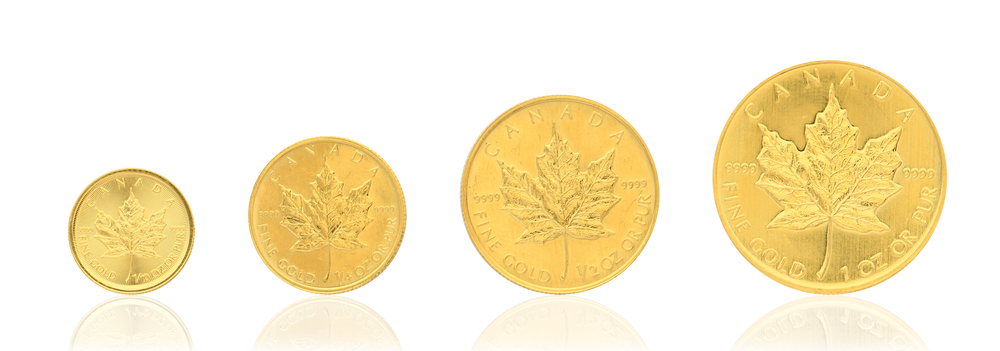
Canadian Maple Leaf Coins are government-backed bullion coins produced by the Royal Canadian Mint and guaranteed by the Canadian government. They are legal Canadian tender with nominal face values, but are bought and sold based on their precious metal content and the market spot price — plus or minus a dealer premium.
What sets Maple Leafs apart is purity and precision. The Gold Maple Leaf features 99.99% pure gold (24-karat), with select special editions reaching an exceptional 99.999% purity. The Silver Maple Leaf is also 99.99% pure — among the purest silver bullion coins available anywhere. Platinum and palladium Maple Leafs meet or exceed the industry-standard .9995 fineness. Paired with advanced anti-counterfeiting features and consistent manufacturing quality, they have earned a reputation as some of the most trusted bullion coins in the world.
Exceptional Purity
Gold and silver at 99.99% fine. Occasional five-nines (99.999%) special gold editions. Platinum and palladium at .9995 fine. Among the highest purity standards of any government-issued bullion series in the world.
Global Liquidity
Recognized and readily traded by dealers across North America, Europe, and Asia. The Gold Maple Leaf consistently offers competitive premiums for a .9999 coin and tight bid/ask spreads on common-date issues.
Best-in-Class Security
Radial lines, micro-engraved privy marks, Bullion DNA digital verification, and MintShield surface protection for silver combine to make Maple Leafs among the hardest bullion coins to counterfeit convincingly.
IRA Eligible
Gold, silver, platinum, and palladium Maple Leafs all meet IRS fineness requirements for self-directed precious metals IRAs. An approved custodian must hold the coins at an IRS-approved depository.
History &
Design Evolution
The Gold Maple Leaf debuted in 1979, when the Royal Canadian Mint introduced a 24-karat alternative to the then-dominant 22-karat South African Krugerrand. Initially struck at .999 fine, the coin moved to .9999 fineness in 1982 — a standard that quickly became a hallmark of the series. Limited-mintage five-nines (.99999) editions released later underscored the Mint's technical prowess and set a global benchmark for gold purity.
The Silver Maple Leaf followed in 1988 at .9999 purity, along with the Platinum Maple Leaf that same year. Palladium joined the lineup in 2005, completing the four-metal series. While platinum and palladium issues have seen intermittent production in response to market demand, gold and silver have remained continuous annual staples.
"The Royal Canadian Mint's innovations with Maple Leaf Coins have inspired other countries to develop their own bullion coins. The series set a global standard for purity, security, and design consistency that the industry continues to reference."
— Canadian Maple Leaf Series, Royal Canadian Mint
Design continuity is part of the Maple Leaf's long-term appeal. The reverse features Walter Ott's detailed sugar maple leaf — crisp, naturalistic, and instantly recognizable worldwide. The obverse has historically depicted Queen Elizabeth II, with effigies updated over the decades. Beginning with 2024-dated bullion, Maple Leafs transition to the effigy of King Charles III on the obverse, marking a significant chapter in the series while preserving its clean, modern aesthetic. Over the last decade, the RCM has layered in advanced security features — precise radial lines, micro-engraved privy marks, and dealer-side digital authentication — without altering the coin's classic visual identity.
Specifications
& Variants
Gold Maple Leaf
The standard Gold Maple Leaf is 99.99% pure gold (24-karat), with select special issues reaching 99.999% purity. Most commonly issued in 1 oz — the standard and most recognized size — with fractional sizes also available. Modern coins incorporate laser-cut radial lines and a micro-engraved privy mark with the year. The bullion finish is brilliant but not prooflike; numismatic versions may feature special finishes or privy marks.
| Size | Gold Content | Purity | Diameter | Face Value (CAD) |
|---|---|---|---|---|
| 1 oz | 31.11 g | .9999 fine | 30 mm | $50 |
| 1/2 oz | 15.55 g | .9999 fine | 25 mm | $20 |
| 1/4 oz | 7.78 g | .9999 fine | 20 mm | $10 |
| 1/10 oz | 3.11 g | .9999 fine | 16 mm | $5 |
| 1/20 oz (select years) | 1.56 g | .9999 fine | 14 mm | $1 |
Silver Maple Leaf
The Silver Maple Leaf (SML) is 99.99% pure silver, primarily issued in 1 oz with a CAD $5 face value. Widely distributed in tubes of 25 and "monster boxes" of 500 coins for bulk stacking. The RCM's proprietary MintShield surface treatment, introduced on SML bullion, was developed to significantly reduce the incidence of white spotting ("milk spots") — a long-standing concern among silver collectors. Over the years the RCM has also issued special SMLs with privy marks, commemorative designs, and colorized or reverse-proof finishes. The standard bullion SML remains the benchmark for stackers seeking maximum liquidity.
Platinum & Palladium Maple Leafs
Platinum Maple Leaf
Introduced in 1988 at .9995 purity. Historically available in multiple sizes including fractional issues, with modern focus typically on 1 oz pieces depending on market demand. Benefits from RCM's brand and security reputation.
Palladium Maple Leaf
Debuted in 2005 at .9995 purity. Produced in select years reflecting the smaller and more volatile palladium market. Premium and availability can vary more than gold or silver due to thinner secondary markets.
A Note on Bilingual Inscriptions
All Canadian Maple Leaf Coins feature bilingual inscriptions in both English and French — reflecting Canada's two official languages. This extends to packaging and security features, and is a subtle but distinctive characteristic that sets the Maple Leaf series apart from most other national bullion programs.
Security Features &
Anti-Counterfeiting
The Royal Canadian Mint has invested more heavily in anti-counterfeiting technology than almost any other bullion mint in the world. Modern Maple Leafs incorporate multiple independent security layers that work together to make convincing fakes extremely difficult to produce at scale.
Radial Lines
The RCM machines fine, precisely spaced radial lines into both sides of modern Maple Leafs. These create a distinctive light-diffraction pattern that is hard to replicate and makes even small surface alterations immediately obvious under examination.
Micro-Engraved Privy Mark
A tiny laser-micro-engraved maple leaf privy mark on the reverse contains the last two digits of the coin's year. Visible under magnification, it adds an immediate at-a-glance authenticity cue for dealers and informed buyers.
Bullion DNA
RCM's Bullion DNA (Digital Non-Destructive Activation) is a dealer-side system — authorized retailers scan a coin's micro-features and compare the data against the Mint's secure database. An extra verification layer that keeps counterfeits out of the retail channel.
MintShield (Silver)
The proprietary MintShield surface treatment, introduced on Silver Maple Leaf bullion, significantly reduces the incidence of white spotting ("milk spots") that had long concerned silver buyers. While not eliminating spotting entirely, it marked a meaningful improvement for long-term eye appeal.
Investment
Considerations
Premiums, Liquidity & Spreads
Canadian Maple Leaf Coins are among the most liquid bullion products globally. Gold Maple Leafs frequently carry some of the most competitive premiums available for a .9999 fine coin — often in line with other top-tier bullion such as Australian Kangaroos and Austrian Philharmonics, and frequently lower than many semi-numismatic issues. Silver Maple Leafs commonly price below American Silver Eagles in the U.S. market, though above generic rounds. Platinum and palladium premiums fluctuate more due to thinner markets.
Spreads — the difference between buy and sell prices — are typically tight for current-year, common-date Maples, widening for fractional gold, older dates, or specialty versions. Buying closer to spot and selling into strong demand can materially improve overall returns over time.
Taxes & Regulations
Tax Treatment by Jurisdiction
- ▶Canada: Investment-grade precious metals meeting purity thresholds (like Maple Leafs) are generally exempt from GST/HST. Capital gains may apply when selling at a profit — consult a Canadian tax professional.
- ▶United States: Physical gold, silver, platinum, and palladium are typically treated as "collectibles" for federal capital gains purposes, with rates that can differ from standard equities (up to 28% for long-term gains). Some states exempt qualifying bullion from sales tax; others do not. Eligible Maple Leafs can be held in self-directed IRAs via approved custodians.
- ▶UK / EU: Investment gold is typically VAT-exempt in the UK and EU. Silver and platinum may be subject to VAT depending on jurisdiction.
- ▶Elsewhere: Rules vary widely. Always confirm local tax and reporting requirements before purchasing. See also: Gold IRA Tax Rules.
This is general information, not tax advice. Investors should consult a qualified professional for their specific situation.
Collectibility & Key Issues
While Maple Leafs are primarily bullion coins, certain issues draw collector interest and command premiums above standard melt value:
Five-Nines Gold Editions
Select Gold Maple Leaf special issues struck at 99.999% purity are among the purest gold coins ever made and attract both collectors and purity-focused investors at meaningful premiums above the standard .9999 version.
Privy-Mark & Limited Finishes
Special privy-mark series (lunar animals and commemorative designs on SMLs), limited finishes, and reverse-proof versions develop dedicated collector followings and can see outsized premium moves in strong markets.
Early Platinum/Palladium Dates
First-year and low-mintage platinum and palladium Maple Leaf dates are particularly sought after, as the thin palladium market and intermittent platinum production created genuine scarcity in certain years.
1996 Silver Maple Leaf
The 1996 SML is often cited as one of the lower-mintage dates in the silver series, making it a sought-after issue for date collectors. Original tube packaging intact significantly supports value for this and other low-mintage SML dates.
Buying, Storing
& Authenticating
Where to Buy & Pricing Tips
The Royal Canadian Mint distributes bullion Maple Leafs through an authorized dealer network rather than selling standard bullion directly to the public. Source from authorized bullion dealers (online or local shops), reputable marketplaces with buyer protection, or major financial institutions offering bullion services.
Smart Buying Checklist
- ▶Compare total delivered cost — coin price plus shipping plus payment fees. Do not focus on the quoted premium alone without accounting for all fees.
- ▶Buy in volume when possible — premiums typically drop with larger quantities (tubes or monster boxes for SML; multiples for GML). Tubes of 10 or 25 gold coins can reduce per-coin cost.
- ▶Consider secondary-market coins — pre-owned common-date Maple Leafs in good condition can trim premiums meaningfully while remaining fully liquid.
- ▶Watch spot price volatility — placing limit orders or buying in tranches across multiple price points can smooth average cost and reduce the risk of buying at a temporary premium spike.
- ▶Keep documentation — invoices and receipts support insurance claims, eventual resale, and tax reporting. Store records separately from the coins themselves.
Storage Options & Insurance
Home Safe
A high-quality bolted safe with discreet placement. Keep documentation stored separately. Consider a specialty insurance rider — standard homeowners and renters policies rarely cover bullion adequately.
Bank Safe Deposit Box
Strong physical security and off-site storage. Access is limited to banking hours. Verify whether contents are insured — many banks provide no insurance coverage for box contents. Confirm before relying on this option.
Professional Vaulting
Allocated or segregated storage with audited holdings and optional online account visibility. Fees vary — compare transparency, jurisdiction, and insurance limits carefully. Required for IRA holdings.
Packaging Best Practices
Avoid PVC flips — they leach chemicals over time. Control humidity with silica gel desiccants. Keep Silver Maple Leafs in original RCM tubes to safeguard the MintShield finish. Handle coins minimally to protect surfaces.
Spotting Fakes & Handling Best Practices
1
Visual Security Check
Examine the RCM's crisp radial lines across both faces — they should be precise and evenly spaced. Locate the micro-engraved maple leaf privy mark on the reverse and confirm the year digits are sharp and legible under magnification. Overall strike quality should be consistent and clean with no soft or smeared detail.
2
Dimensions & Weight
Verify against official specifications using a jeweler's scale and digital calipers. A genuine 1 oz Gold Maple Leaf should weigh 31.11 g with a diameter of 30 mm. Pure gold has a distinct density — undersized or overweight pieces are immediate red flags requiring further investigation.
3
Magnet & Slide Test (Silver)
Silver is non-magnetic but exhibits a characteristic slow slide when a strong magnet is passed over it — due to eddy currents generated in the metal. Gold is entirely non-magnetic. Use these tests with care: avoid scratching coin surfaces. Treat results as supplementary checks, not standalone proof.
4
Bullion DNA Dealer Verification
For maximum assurance, take the coin to an authorized RCM dealer equipped with a Bullion DNA scanner. This system compares the coin's micro-features against the Mint's secure database and provides definitive authentication — the most reliable single step available for Maple Leaf verification.
Handling Rule: If Something Feels Off, Stop
If anything about a coin gives you pause — unusual sound when tapped, unexpected color or lustre, inconsistent surface texture, or detail that looks slightly soft — stop and seek a second opinion before transacting. The cost of a professional authentication check is trivial compared to the cost of acquiring a convincing fake at bullion prices.
Conclusion:
Is the Maple Leaf Right for You?
Canadian Maple Leaf Coins earn their reputation the hard way — exceptional purity, relentless quality control, and best-in-class security features. For buyers who want bullion that is easy to value, simple to sell, and globally recognized, Maple Leafs belong on the shortlist in every metal.
Choose reputable dealers, mind premiums and total delivered cost, store with appropriate care, and let the RCM's iconic maple leaf do what it was designed to do: store value with quiet confidence over the long term.
"Canadian Maple Leaf Coins earn their reputation the hard way: exceptional purity, relentless quality control, and best-in-class security features. For buyers who want bullion that's easy to value, simple to sell, and globally recognized, Maple Leafs belong on the shortlist."
— Tim Schmidt Sr., Gold IRA Investor · GoldIRAKits.org
Canadian Maple Leaf Coins
Frequently Asked Questions
What are Canadian Maple Leaf Coins, and how are they priced?
Canadian Maple Leaf Coins are government-backed bullion produced by the Royal Canadian Mint. They are legal tender in Canada but trade on metal value — the market spot price plus or minus a dealer premium. Purity is a hallmark: gold and silver are 99.99% fine, platinum and palladium at .9995. These coins are easy to value, globally recognized, and straightforward to resell through established bullion dealer networks.
What security features do Canadian Maple Leaf Coins use to prevent counterfeiting?
Modern Maple Leafs feature precision radial lines machined into both faces and a laser-micro-engraved maple leaf privy mark containing the coin's year, visible under magnification. Authorized dealers can verify coins using the RCM's Bullion DNA system, which scans micro-features against a secure database. Silver Maple Leafs also carry MintShield surface protection to reduce white spotting. Together these features make the Maple Leaf one of the most difficult bullion coins to counterfeit convincingly.
What are the purity and size options across Gold, Silver, Platinum, and Palladium Maple Leafs?
The Gold Maple Leaf is 99.99% pure (with occasional 99.999% specials) and comes in 1 oz plus fractional 1/2, 1/4, 1/10, and sometimes 1/20 oz. The Silver Maple Leaf is 99.99% fine in 1 oz. Platinum and palladium Maple Leafs are typically .9995 fine, with availability driven by market demand and produced in select years. All four metals are IRA-eligible when held with an approved custodian.
How liquid are Canadian Maple Leaf Coins, and what premiums or spreads should I expect?
Canadian Maple Leaf Coins are among the most liquid bullion worldwide. Gold Maple Leafs usually carry competitive premiums for 24-karat coins — frequently among the lowest available for a .9999 fine coin. Silver Maple Leafs often price below American Silver Eagles in the U.S. market. Spreads are tight on current-year issues, widening for fractionals, older dates, or specialty versions. Platinum and palladium see more spread variation due to thinner markets.
Canadian Maple Leaf vs. American Gold Eagle — which is better for investors?
Both are highly liquid and IRA-eligible. Gold Maple Leafs are 99.99% pure (24-karat) and frequently carry lower premiums for 24-karat gold. American Gold Eagles are 22-karat (91.67%) alloyed for greater durability and enjoy deeper U.S. domestic dealer liquidity, though they contain the same 1 troy ounce of pure gold. Choose based on purity preference, your local resale market, premium at the time of purchase, and whether durability during handling matters for your storage approach.
Do Canadian Maple Leaf Coins come with certificates of authenticity or special packaging?
Standard bullion Maple Leafs do not include certificates of authenticity. The Royal Canadian Mint ships Silver Maple Leafs in tubes of 25 and monster boxes of 500; dealers may sell singles in flips. Gold issues are typically supplied in tubes or on mint cards depending on the dealer. Numismatic variants and special editions can include unique presentation packaging and COAs. All Canadian Maple Leaf Coins feature bilingual English and French inscriptions, reflecting Canada's official languages.
Ready to Add Maple Leaf Coins to Your IRA?
Get Your Free
Get Your Free
Gold IRA Starter Kit
Our free kit includes a full IRA-eligible metals list, custodian comparison chart, step-by-step account opening guide, and fee breakdown worksheet. Zero cost. Zero obligation.
✔ IRA-Eligible Metals List
✔ Custodian Comparison Chart
✔ Step-by-Step Account Guide
✔ Fee Breakdown Worksheet
✔ Rollover Checklist
No spam. No pressure. Unsubscribe anytime.